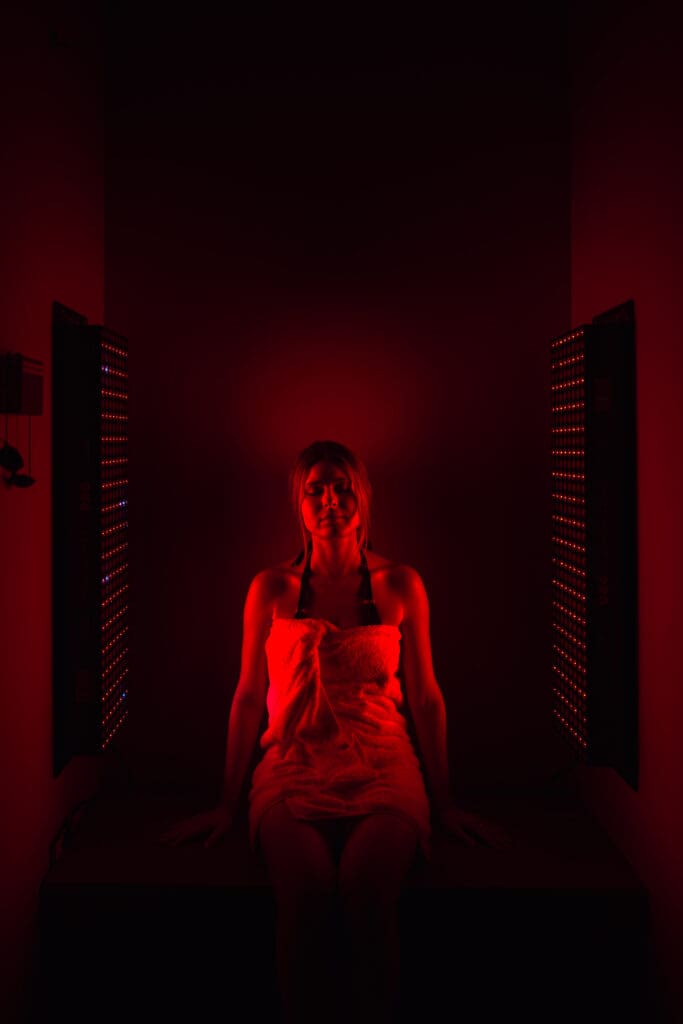
Light has always shaped human health.
It regulates our circadian rhythm, influences our mood, and signals the body when to wake, rest, and repair.
In recent years, scientists have begun studying how specific wavelengths of light can influence the body at a cellular level. One of the most researched forms is red light therapy, also known as photobiomodulation.
Originally explored in medical and dermatology settings, this therapy is now becoming more widely available in wellness environments. But what exactly is happening inside the body when red light reaches the skin?
Understanding Photobiomodulation
Red light therapy uses specific wavelengths of red and near-infrared light, typically between 620 and 1440 nanometers. These wavelengths can penetrate the skin and interact with cells in ways that may support natural repair processes
Unlike ultraviolet light, which can damage skin cells, red and near-infrared light appear to work differently. Cells absorb this light energy through structures known as photoacceptors, triggering biological responses that influence metabolism, circulation, and inflammation.
In simple terms, red light acts as a signal that encourages cells to function more efficiently.
A Boost in Cellular Energy
One of the most important effects researchers observe is an increase in ATP production.
ATP (adenosine triphosphate) is often described as the energy currency of the cell. When cells produce more ATP, they have more energy available to carry out essential functions such as:
- tissue repair
- cell regeneration
- protein production
- maintaining healthy cellular activity
This increase in cellular energy is one reason red light therapy is being explored for skin health, wound healing, and recovery.
Supporting Circulation and Inflammation Balance
Red light exposure may also influence nitric oxide, a molecule involved in blood flow and circulation. When nitric oxide is released, blood vessels can relax and widen, helping improve oxygen and nutrient delivery to tissues.
Researchers have also observed effects on inflammatory signaling in the body. Certain cytokines and inflammatory markers may decrease with red light exposure, which is why photobiomodulation has been studied for conditions involving irritation or inflammation.
How Red Light Supports Skin Health
Much of the research around red light therapy has focused on dermatology.
Studies suggest that these wavelengths may support:
- collagen and elastin production
- improved skin hydration and elasticity
- reduction in inflammation
- improved healing of wounds and scars
Because collagen is one of the main structural proteins in the skin, therapies that support collagen production may contribute to smoother texture and improved skin resilience over time.
A Gentle, Non-Invasive Therapy
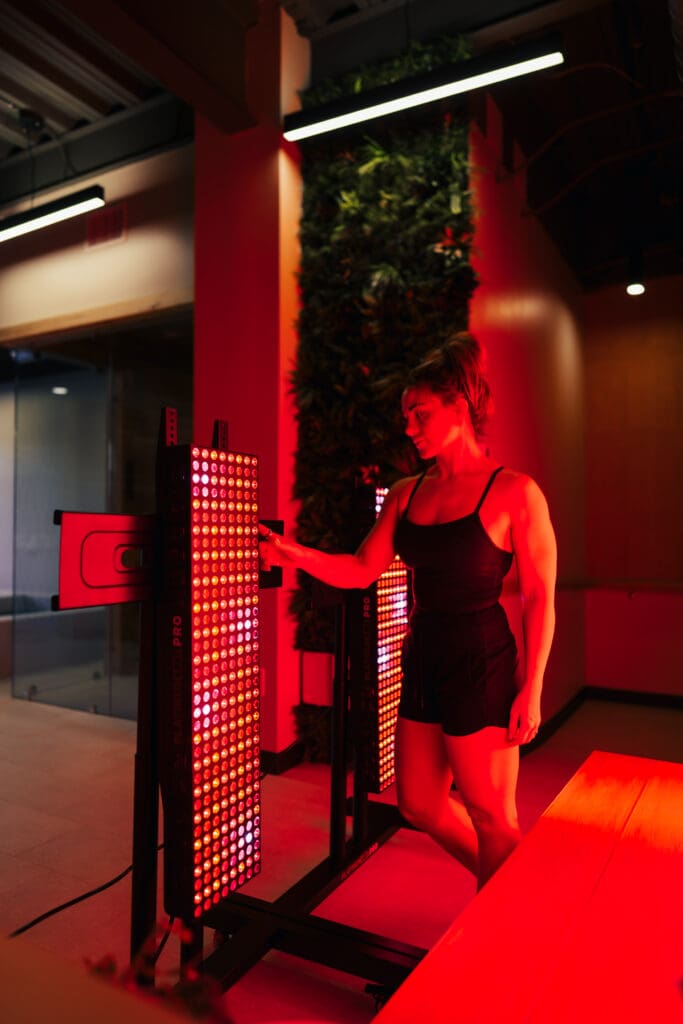
One of the reasons red light therapy has gained interest in both clinical and wellness environments is its accessibility.
Treatments are typically:
- non-invasive
- relatively short (10-20 minutes)
- easily tolerated
- repeatable over time
Unlike more aggressive interventions, photobiomodulation works gradually by encouraging the body’s own repair systems rather than forcing dramatic changes.
The Future of Light-Based Wellness
Research into red light therapy is still evolving. Scientists continue to study optimal treatment times, wavelengths, and applications across different health conditions.
What’s becoming clear is that light is more than illumination – it’s also information. Cells respond to it, interpret it, and use it as a signal to regulate biological activity.
In many ways, red light therapy represents a modern refinement of something ancient: our relationship with light as a source of restoration.
At Ash & Sage, we’re always interested in therapies that support the body’s natural rhythms of recovery and renewal.
And sometimes, the most powerful signals are also the simplest.
all information came from this article.

Leave a Reply